How Did Alex Duong Die? Comedian's Battle with Rare Cancer
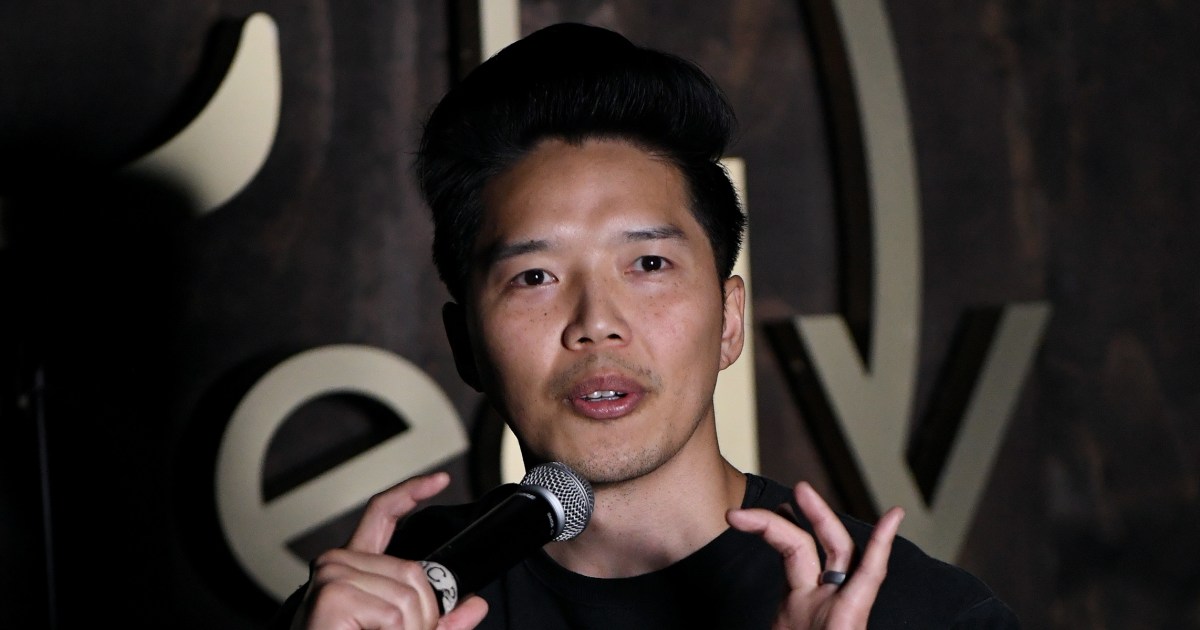
The entertainment world and countless fans mourned the profound loss of Alex Duong, a talented comedian and actor known for his vibrant stage presence and roles in shows like *Blue Bloods* and *Jeff Ross Presents Roast Battle*. Duong's passing at the age of 42 left a void, but it also brought to light a courageous, year-long struggle against a particularly aggressive and rare form of cancer. His journey, marked by immense pain and unwavering spirit, concluded with him being surrounded by the love of his family and close friends, a testament to the impact he had on those around him.
The question of "How Did Alex Duong Die?" tragically points to the devastating power of illness. Alex Duong succumbed after a fierce battle with alveolar rhabdomyosarcoma, a rare and aggressive soft tissue cancer, with septic shock ultimately contributing to his passing in his final days. His story is not just one of loss, but also of resilience, community support, and the urgent need for awareness around rare diseases.
The Unseen Battle: Alex Duong's Rare Cancer Diagnosis
Alex Duong's fight began subtly, with symptoms that were initially easy to dismiss. Roughly a year before his death, he experienced headaches, which he, like many in a demanding industry, attributed to stress. However, more concerning signs soon emerged. According to reports, his manager first noticed swelling and changes around his left eye, a physical manifestation that prompted further medical investigation. It was this observant intervention that ultimately led to the heartbreaking diagnosis of alveolar rhabdomyosarcoma (ARMS).
Alveolar rhabdomyosarcoma is an exceedingly rare and aggressive type of cancer that forms in soft tissue—the connective tissues that support and surround organs and other body parts. Unlike more common cancers, ARMS can be particularly challenging due to its rapid growth and tendency to spread quickly. For Alex, the diagnosis was a turning point, marking the beginning of an arduous journey. Shortly after, he lost vision in his left eye, a stark reminder of the disease's immediate and devastating impact. This initial phase was not just about receiving a label; it was about confronting a life-altering reality that would test his endurance, spirit, and the strength of his loved ones.
A Relentless Fight: Treatment, Setbacks, and Unwavering Spirit
Following his diagnosis, Alex Duong embarked on an intensive treatment regimen, including rounds of chemotherapy and radiation. These treatments, while vital in the fight against cancer, came with their own set of brutal side effects, adding to the already immense physical and emotional toll of the disease. Despite these efforts, his condition worsened over time. The cancer proved to be particularly aggressive, causing him severe back pain and leading to frequent hospitalizations.
The challenges were not purely medical. As a member of SAG-AFTRA, Alex faced the complex realities of health insurance within the entertainment industry, adding a layer of financial and bureaucratic stress to an already overwhelming situation. This experience sheds light on a significant issue many artists and freelance professionals grapple with: ensuring comprehensive healthcare coverage during periods of severe illness. Despite these hurdles, Alex's determination never wavered.
His friends and family became his steadfast support system. His wife, Christina, continued to work full-time while simultaneously caring for Alex and their young, five-year-old daughter, Everest. This immense burden highlights the sacrifices made by families confronting long-term illness. As the disease progressed, tumors began to press on his brain, leading to seizures and further weakening his body. In the months leading up to his passing, doctors discovered that tumors in his spine had weakened him considerably, yet he continued to fight, returning to the hospital for another round of chemotherapy. His incredible resilience and the profound strength of his family are testaments to the human spirit in the face of insurmountable odds. For a deeper understanding of his struggle, read about
Blue Bloods Actor Alex Duong's Year-Long Cancer Fight Unveiled.
The Final Chapter: Septic Shock, Farewell, and Legacy
In his final days, Alex Duong's condition deteriorated rapidly. A severe infection spread throughout his body, leading to septic shock—a life-threatening condition caused by the body's overwhelming response to infection. This sudden turn of events brought his long battle to a critical juncture. On a somber Saturday morning, Alex passed away peacefully, surrounded by his closest friends and loved ones, including his wife Christina and their cherished daughter, Everest.
One of the most poignant details shared by his friend Hilarie Steele, who managed a GoFundMe page for Alex, was that he was alert enough to say a final goodbye to his little girl. "He was alert enough to say goodbye to his little girl, whom he has treasured every moment since the day she was born," Steele wrote, capturing a moment of profound love and heartbreak. The family found solace in knowing he was finally out of pain and comfortable.
The GoFundMe campaign, initiated to support Alex and his family, now continues as a vital fund to cover memorial service costs and support Everest's future education and care. This outpouring of generosity from the community underscores the deep affection and respect people held for Alex. His legacy extends beyond his acting roles, like Sonny Le in *Blue Bloods*, or his comedic prowess on *Roast Battle*. It lives on through the memories of his kindness, his humor, and the love he shared with his family and friends. His story reminds us of the power of community in times of grief and the lasting impact one person can have. To learn more about his last moments and the support system around him, see
Alex Duong's Final Days: Septic Shock, Family Farewell & Legacy.
Understanding Alveolar Rhabdomyosarcoma: A Deeper Look
Alex Duong's battle with alveolar rhabdomyosarcoma (ARMS) highlights the critical importance of understanding rare cancers. Rhabdomyosarcoma (RMS) is a malignant tumor of mesenchymal origin that develops from skeletal muscle cells. While it can occur at any age, it is predominantly a childhood cancer, making Alex's adult diagnosis even more unusual and challenging.
There are several subtypes of rhabdomyosarcoma, with alveolar and embryonal being the most common. ARMS is characterized by a specific genetic translocation (fusion of two chromosomes), which makes it more aggressive and often harder to treat than the embryonal subtype. It frequently occurs in the trunk, extremities, or head and neck regions, and its symptoms can initially be vague, such as a noticeable lump or swelling, pain, or difficulty with movement, depending on the tumor's location.
**Key Facts about Alveolar Rhabdomyosarcoma:**
* **Rarity:** It accounts for a small percentage of all cancers, making research and treatment options less developed compared to more common cancers.
* **Aggressiveness:** ARMS tends to grow and spread quickly (metastasize) to other parts of the body, including the lungs, bone marrow, and bones.
* **Diagnosis Challenges:** Due to its rarity and non-specific initial symptoms, diagnosis can sometimes be delayed. Advanced imaging (MRI, CT scans) and biopsy are crucial for accurate identification.
* **Treatment:** Standard treatment typically involves a combination of surgery (if possible), intensive chemotherapy, and radiation therapy. However, outcomes can vary significantly based on the stage of the cancer at diagnosis and individual response to treatment.
* **Importance of Research:** The fight against rare cancers like ARMS underscores the vital need for continued research, funding, and clinical trials to develop more effective and targeted therapies.
Alex Duong's story serves as a poignant reminder of the insidious nature of such diseases and the courage required to face them. It also brings into focus the need for heightened awareness, even for subtle changes in our bodies, and the invaluable role of medical professionals and community support in a patient's journey.
Conclusion
The passing of Alex Duong is a profound loss to the worlds of comedy and acting, but more importantly, to his family and friends. His battle with alveolar rhabdomyosarcoma was a testament to his strength, resilience, and the unwavering love that surrounded him. While his life was cut tragically short at 42, his spirit, humor, and the warmth he brought to countless lives will undoubtedly endure. Alex Duong's story resonates as a powerful reminder of the fragility of life, the brutal reality of rare diseases, and the immense courage found in the face of adversity. His memory will continue to inspire, reminding us to cherish every moment and support those battling similar, unseen wars.